

As a leading supplier of the 2803113 - BQ01 component, I am frequently asked about the integration requirements of our product with other systems. In this blog post, I will delve into the various aspects of integrating the 2803113 - BQ01 with different systems, providing detailed insights for those who are considering using this component in their projects.
Compatibility Considerations
When it comes to integrating the 2803113 - BQ01 with other systems, compatibility is the first and foremost concern. The 2803113 - BQ01 is designed to function within specific electrical, mechanical, and software parameters. Therefore, it is essential to ensure that the other systems it interfaces with can operate within these same parameters.
Electrical Compatibility: The electrical characteristics of the 2803113 - BQ01, such as voltage levels, current requirements, and signal impedance, must match those of the systems it connects to. Mismatched electrical parameters can lead to malfunctions, reduced performance, or even damage to the component or the connected systems. For example, if the 2803113 - BQ01 requires a 5 - volt power supply, but the connected system provides only 3.3 volts, the component may not operate correctly.
Mechanical Compatibility: Mechanical integration involves considerations such as physical dimensions, mounting options, and connection methods. The 2803113 - BQ01 has specific dimensions and mounting points that need to align with the mechanical design of the systems it integrates with. Additionally, the connection interfaces, such as connectors or cables, must be compatible to ensure a secure and reliable physical connection.
Software Compatibility: In many modern systems, software plays a crucial role in the integration process. The 2803113 - BQ01 may require specific software drivers or communication protocols to interact with other systems effectively. These software components need to be compatible with the operating systems and software platforms used in the connected systems. For instance, if the other systems use a specific programming language or communication standard, the 2803113 - BQ01's software must support these requirements.
Communication Protocols
The 2803113 - BQ01 may communicate with other systems using various communication protocols. The choice of protocol depends on the nature of the systems involved and the type of data that needs to be transmitted.
Serial Communication: Serial communication protocols, such as RS - 232, RS - 485, or SPI, are commonly used for simple and reliable data transfer between the 2803113 - BQ01 and other devices. These protocols are suitable for transmitting data over relatively short distances and are often used in applications where real - time data transfer is not critical.
CAN Communication: The Controller Area Network (CAN) protocol is widely used in automotive and industrial applications for its high reliability, real - time capabilities, and ability to support multiple nodes on a single bus. If the 2803113 - BQ01 is integrated into an automotive or industrial system, CAN communication may be the preferred choice.
Ethernet Communication: Ethernet is a popular choice for high - speed data transfer and long - distance communication. If the 2803113 - BQ01 needs to be integrated into a network - based system, such as a distributed control system or a data - logging system, Ethernet communication can provide the necessary bandwidth and flexibility.
Integration with Specific Systems
To better understand the integration requirements, let's consider some specific scenarios where the 2803113 - BQ01 may be integrated with other systems.
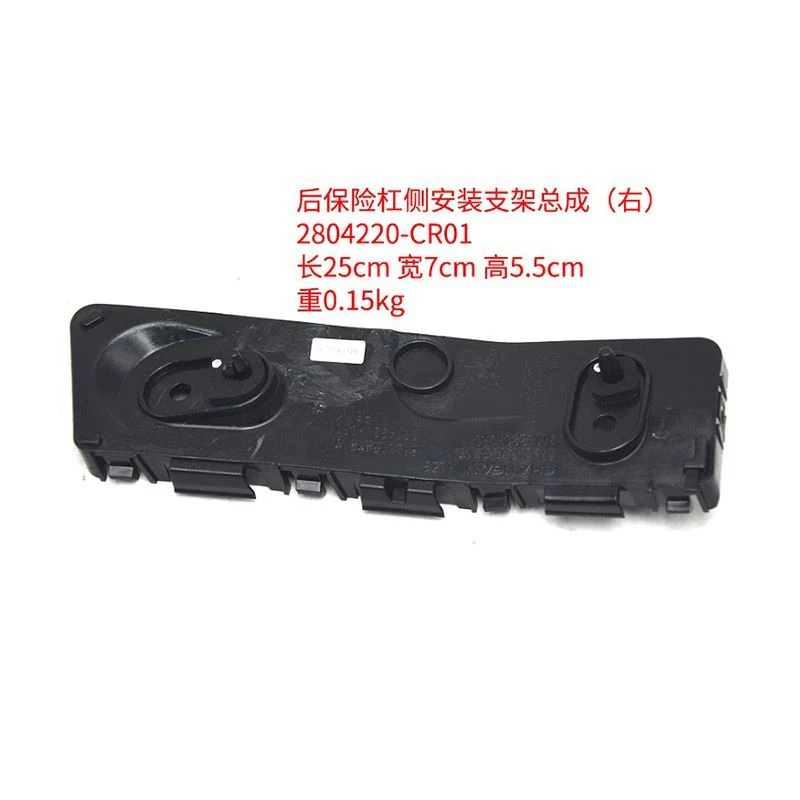
Automotive Systems: In the automotive industry, the 2803113 - BQ01 may be integrated into various systems, such as engine management systems, safety systems, or infotainment systems. When integrating with automotive systems, strict compliance with automotive standards and regulations is required. For example, the component must be able to withstand harsh environmental conditions, such as high temperatures, vibrations, and electrical interference. Additionally, it must meet the reliability and safety requirements of the automotive industry. You can find more relevant automotive spare parts information, such as the UNI - K Rear Bumper Side Mounting Bracket Assembly (right) CD569F271303 - 0500 And 2804220 - CR01 on our website.
Industrial Automation Systems: In industrial automation, the 2803113 - BQ01 may be used in control systems, monitoring systems, or robotic systems. Integration with industrial automation systems requires compatibility with industrial communication protocols, such as Modbus or Profibus, and the ability to operate in an industrial environment. The component must also be able to communicate with other industrial devices, such as sensors, actuators, and programmable logic controllers (PLCs).
Consumer Electronics: When integrating the 2803113 - BQ01 into consumer electronics products, factors such as power consumption, size, and ease of use are crucial. The component must be designed to consume minimal power to extend the battery life of the device. It should also have a compact size to fit into the limited space available in consumer electronics products. For example, in some cases, the 2803113 - BQ01 may be integrated with other components in a smart home device. You can also refer to the information about NEW EADO The Curvature Of The Back Of The Lower Body Guard Assembly (right) C211F270904 - 0200 - 01 And 5173120 - BN01 for more insights into automotive - related consumer products.
Testing and Validation
Once the 2803113 - BQ01 is integrated with other systems, thorough testing and validation are essential to ensure proper functionality.
Unit Testing: Unit testing involves testing the individual functions of the 2803113 - BQ01 in isolation. This helps to identify any issues with the component itself, such as software bugs or hardware faults.

Integration Testing: Integration testing focuses on testing the interaction between the 2803113 - BQ01 and the other systems. This includes testing the communication protocols, data transfer, and overall system performance.
System Testing: System testing evaluates the entire integrated system in a real - world or simulated environment. This helps to ensure that the system meets the specified requirements and performs reliably under different conditions.
Conclusion and Call to Action
Integrating the 2803113 - BQ01 with other systems requires careful consideration of compatibility, communication protocols, and specific integration scenarios. Our company is dedicated to providing high - quality 2803113 - BQ01 components and technical support to ensure successful integration. If you are interested in using the 2803113 - BQ01 in your projects or need more information about its integration requirements, please feel free to contact us for procurement and further discussions. You can also explore related auto - spare parts like Cherry J00 PRESSURE PANEL - RR DOORSILL RH J00 - 5402180 on our website to find more potential applications.
References
- Smith, J. (2018). Fundamentals of System Integration. Publisher Name.
- Jones, A. (2019). Automotive Electronics and Integration. Industry Press.